One thing worth separating out before you book: washing the walls of a house and cleaning its roof are two different jobs here, and a quote for one is not a quote for the other. The walls come first for most people because that is what they look at from the driveway - brick, stucco, vinyl, and painted board all carry the same green-black film after a Baton Rouge summer, and all of them come clean at low pressure.
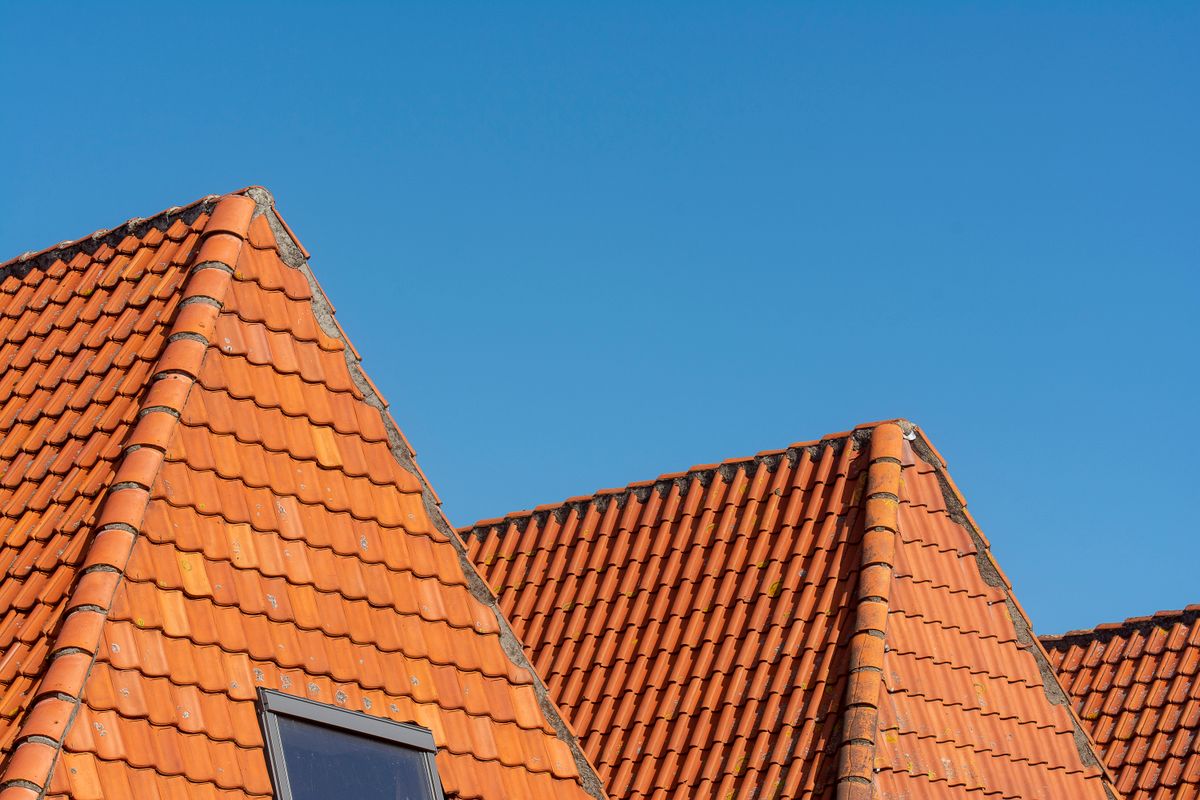
The roof is a separate decision with a separate method. Those dark vertical streaks on shingle are not dirt and they are not mildew - they are gleocapsa magma, a hardy cyanobacteria that feeds on the limestone filler in asphalt shingle, which is why it spreads downward in the pattern it does and why rinsing it never works for long. It is treated chemically at essentially no pressure and never by scrubbing or walking the surface hard, which would cost you granules and shorten the roof. If that is the part of the house actually bothering you, read the roof cleaning page rather than this one - it covers the method, the shingle-versus-tile difference, and what a no-pressure treatment does and does not promise.
Plenty of Baton Rouge homes need both, and doing them in one visit is usually cheaper than two trips. If you are not sure which the house needs, say so when you ask for a price and describe what you are seeing - streaks running down from the ridge point one way, a flat film across the walls points the other.
Three things sit on a Baton Rouge wall, and only two of them wash off
It helps to know what you are actually paying to remove. The first layer is living: the green-black film that turns up on the shaded side of nearly every house here by August. Heat plus humidity plus long wet spells is the whole recipe, and it is why a wall can look fine in March and look neglected by the time school starts. The second layer is not alive at all - it is airborne soil. Homes along the river corridor and north of downtown collect a fine grey particulate that settles out of the air and bonds into the surface film, and it is the reason a wall can rinse "clean" and still read dull from the street. Both of those come off.
The third layer is staining that has moved into the material rather than sitting on it - rust that has bled into porous brick, tannin from oak litter that has soaked into an already-chalky paint film, or oxidation in the paint itself. That does not come off, at any pressure, from anyone. A crew that quotes those three as one number is either not looking closely or is planning to explain afterward. We would rather point at them on the walk-around and tell you which ones are coming off today.
What "low pressure" actually means on a 1940s wall versus a 1990s one
House washing here is a chemistry job with a rinse, not a pressure job. The cleaning is done by a dilute detergent solution that is allowed to dwell and then flushed off with volume rather than force. That distinction matters more in Baton Rouge than in a newer market, because the housing stock is genuinely mixed.
On a mid-century or newer vinyl or fiber-cement elevation, the risk of getting it wrong is water driven up behind the laps. Siding is hung to shed water downward; aim a tight stream upward under the courses and you put water into a cavity that has no fast way to dry in this climate. The visible result is not a wet wall - it is streaking that returns in a few months, from the inside out.
On an older painted wood elevation, the risk is the paint. Weatherboard that has been painted and repainted for eighty years is a stack of layers with different ages and different adhesion, and pressure finds the weakest one. Stripping paint is a legitimate service, but it is not this one, and it should never be a surprise outcome of a wash.
Pre-1978 paint, and why we ask about it before quoting
A large share of the in-town neighborhoods - the older streets around the Garden District, Spanish Town and Beauregard Town, and plenty of the early postwar blocks in Mid City - predate the 1978 ban on lead in residential paint. If a house of that age has painted wood or painted trim, we treat the paint as intact and work to keep it that way, rather than blasting it and creating chips and dust that then have to be dealt with.
Practically, that means lower pressure, more dwell, more rinse volume, and a frank conversation if a wall is already flaking. If the paint is failing, washing is the wrong next step and we will say so: what that house needs is a paint contractor, and a wash beforehand is money spent on a surface that is about to be scraped anyway. We would rather lose that job than take it and hand back a wall that looks worse.
In-town and south-side are two different jobs on the same invoice line
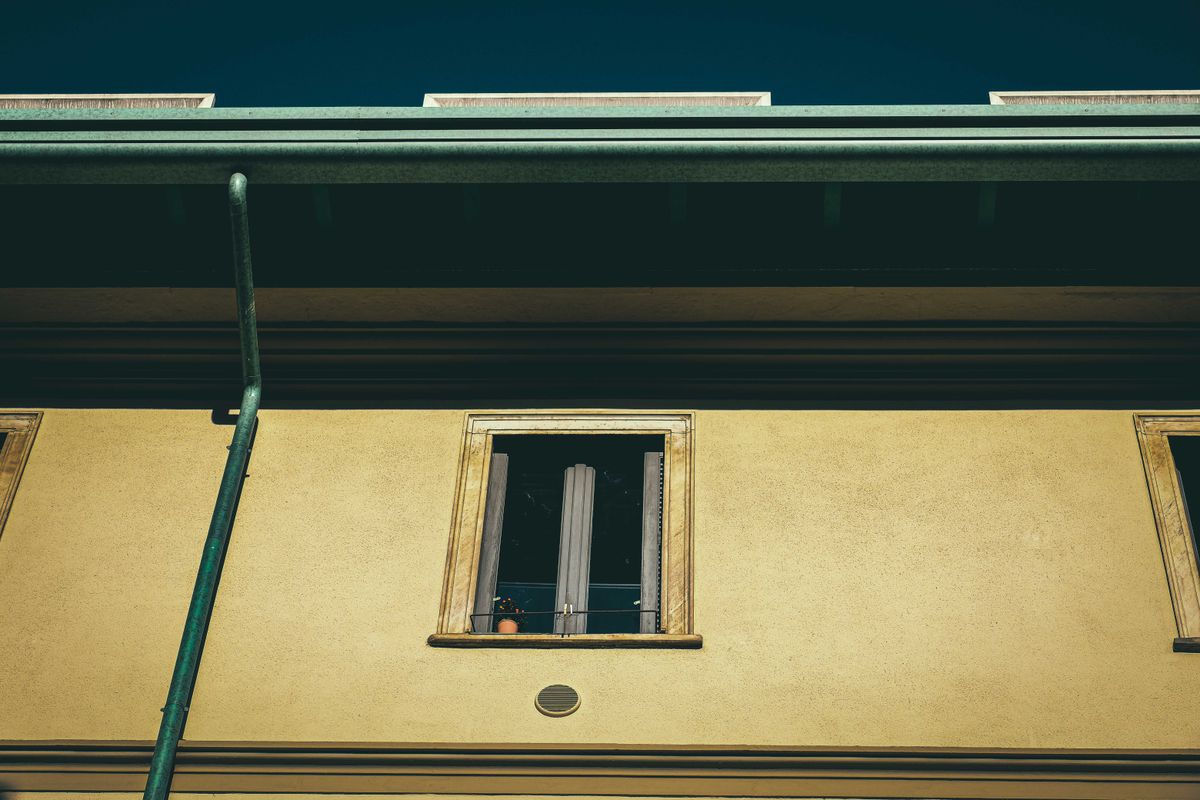
An older in-town house is a detail job. Deep porches, brackets, shutters, decorative trim, mature planting close to the wall, and often a driveway too narrow to work from - the square footage is modest and the hours are not. A newer elevation out toward the south side of the parish is close to the opposite: more wall, simpler wall, straightforward access, and the time goes into covering ground.
Two houses that measure the same can therefore price differently, and it is access and detail doing it, not a guess. When you ask for a price, telling us the era of the house and whether we can get a truck near it will get you a firmer number than the square footage will.
Honest limits, stated before you book rather than after
Washing will not fix chalked or oxidized paint. It will lighten a chalky wall for a few weeks and then the chalk returns, because the failure is in the coating. It will not clear rust that has bled into unsealed brick or masonry; it usually lightens it and rarely removes it, and any promise otherwise is worth questioning. It will not repair failed caulk joints or rotted trim - and washing those makes them worse, so we point them out on the walk and work around them rather than quietly soaking them. Efflorescence, the white bloom that comes through brick and block, is moisture moving through masonry and pushing salt to the surface; it is a masonry problem and it comes back until the moisture path changes.
One local advantage worth knowing: city water here is drawn from the deep Southern Hills aquifer rather than from the river, and it is soft. Hard-water spotting on windows and glass, which is a routine nuisance in well-served suburbs, is much less of a factor on municipal supply in town. Where we do see mineral spotting is irrigation - sprinkler heads throwing well water onto a wall or a window will spot it regardless of what the tap water is doing.
When to book it, and what the day looks like
There are two sensible windows. Late spring, once the oak and pine pollen has finished and been rinsed off by the first real storms, gets the wall clean going into the season you actually use the yard. Autumn, after the worst of the summer humidity has broken, resets the growth that built up through August and September and holds through winter. Washing mid-pollen is the one timing mistake worth avoiding - the wall is clean and then yellow again within days, and it reads as a job badly done when it was only badly timed.
On the day, expect a walk-around first, so we can point at anything in the honest-limits list above before the equipment comes off the truck. Delicate planting gets pre-wet and rinsed after, which is what keeps detergent from concentrating at the roots. Windows and doors get checked, and any that do not seal well get noted rather than tested the hard way. A typical single-story house is a few hours; an older two-story with heavy trim detail takes most of a day. You do not need to be home, but the walk-around is more useful if you are.