Why a Zachary deck or patio is a different cleaning job than the city core
The film that builds on a wood deck or a covered patio in Zachary is not the same as the film on a Baton Rouge city house, and the reason it looks similar from the driveway is that both are living growth. But Zachary's growth has a different rhythm, a different stain passenger, and a different set of surfaces than the homes closer to the river. This town sits at the northern edge of East Baton Rouge Parish, and that latitude - plus the mix of older tree-lined lots and fast-newer subdivisions - means decks here face a combination of oak-driven moisture, irrigation iron, and fresh-construction clay that a generic Baton Rouge deck clean does not account for.
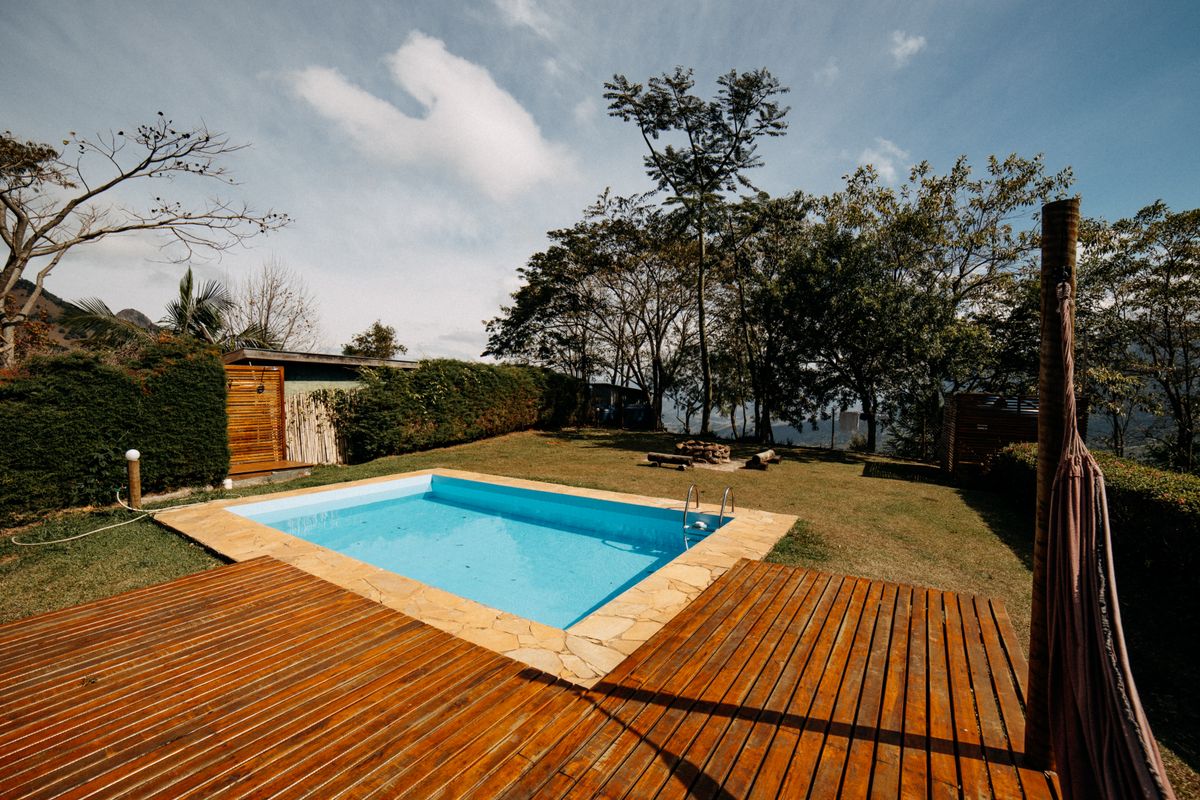
The first thing to know is that nearly every Zachary deck spends half its days in shade. The town's character is built around its tree canopy - live oaks on the older streets near Main and the church square, and the same canopy that makes the newer subdivisions off Highway 10 attractive also means decks and patios rarely see full sun for more than a few hours. That shade keeps the surface damp well into the afternoon after a storm, and a surface that stays damp is a surface that feeds mildew, algae, and the black biofilm that builds up where the boards meet the fascia. That is why a Zachary deck can read as neglected six months after a clean that looked great in August.
Two stains, not one: the growth and the iron
A Zachary deck or patio usually carries two problems when you get past the surface dirt, and confusing them is the most common cause of a wash that has to be redone. The first is the green-black film: living mildew and algae that feeds in the grain of pressure-treated pine, the seams of composite, and the joints between pavers. That is real growth and it comes off with a low-pressure soft-wash chemistry that kills it at the root, the same way it comes off a house wall.
The second is the rust-brown or orange-brown stain, and it almost always comes from irrigation. A large share of Zachary's newer subdivisions and the homes on the older tree-lined streets outside the city water pressure zone run irrigation off wells or on shallow city lines that carry dissolved iron. When a sprinkler head throws that water onto a deck, a paver, or the lower fascia of a covered patio, it leaves an orange arc that bakes in under the Louisiana sun. That stain is oxidized iron sitting in the surface, and the algae-killing chemistry that cleans the growth does nothing to remove it. A Zachary crew that does not flag the rust separately is signing you up for a second visit when the iron returns on schedule unless the sprinkler is re-aimed or the zone is adjusted.
The deck materials here and how each one should be washed
The decks and patios in Zachary span four main materials, and treating them the same way is how a clean turns into a repair bill. Pressure-treated pine is still the default on the older rebuilds and on budget-conscious newer builds, and it is forgiving on method but takes staining if the chemistry sits too long and the grain raises. Cypress - common on the shaded lots near the historic district where homeowners want something that reads as natural - is softer than pine and wants even lower pressure, because a hard stream will fray the grain and leave the deck fuzzy.
Composite decks are everywhere on the newer builds out toward Highway 10 and on the homes in the lakefront communities, and they make different demands. A composite surface is not porous the way wood is, so the growth sits on top rather than in the grain, but the finish coat can chalk and fade under high pressure or harsh chemistry. A Zachary composite deck needs a dedicated composite-safe detergent and a rinse that stays at garden-hose pressure, not the setting that works on a brick wall.
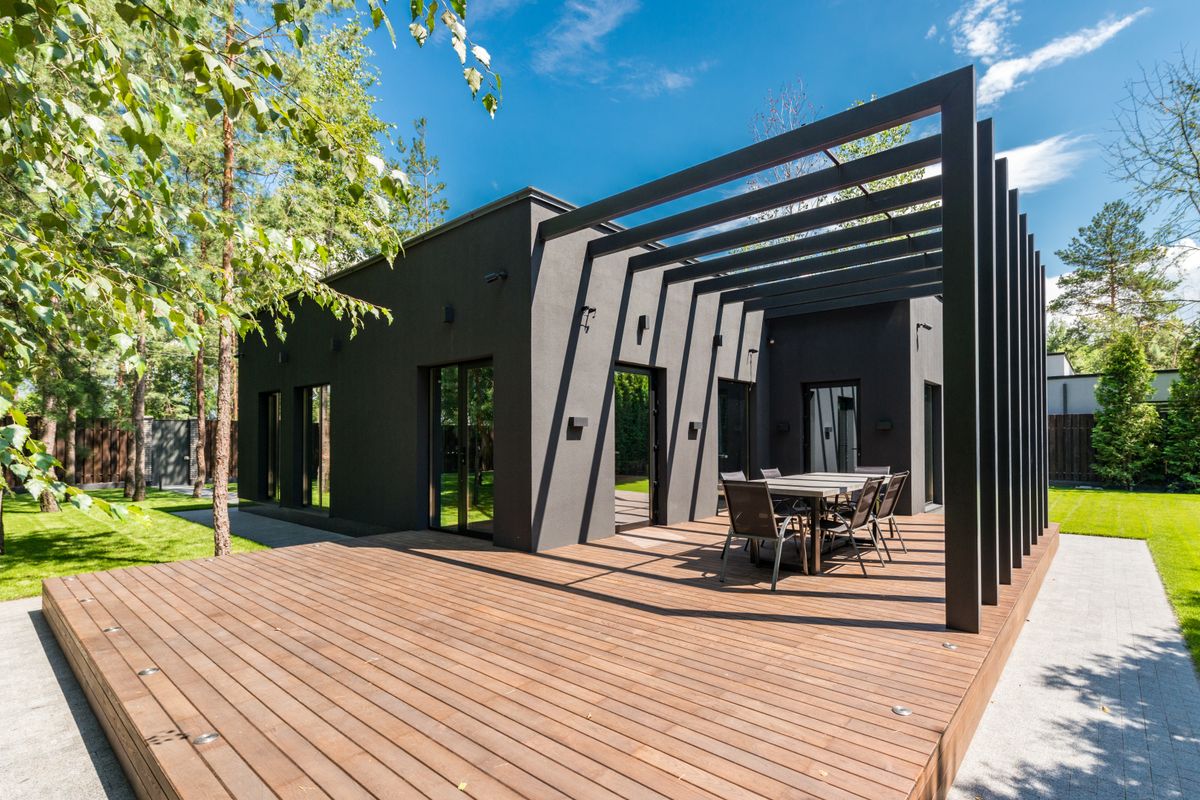
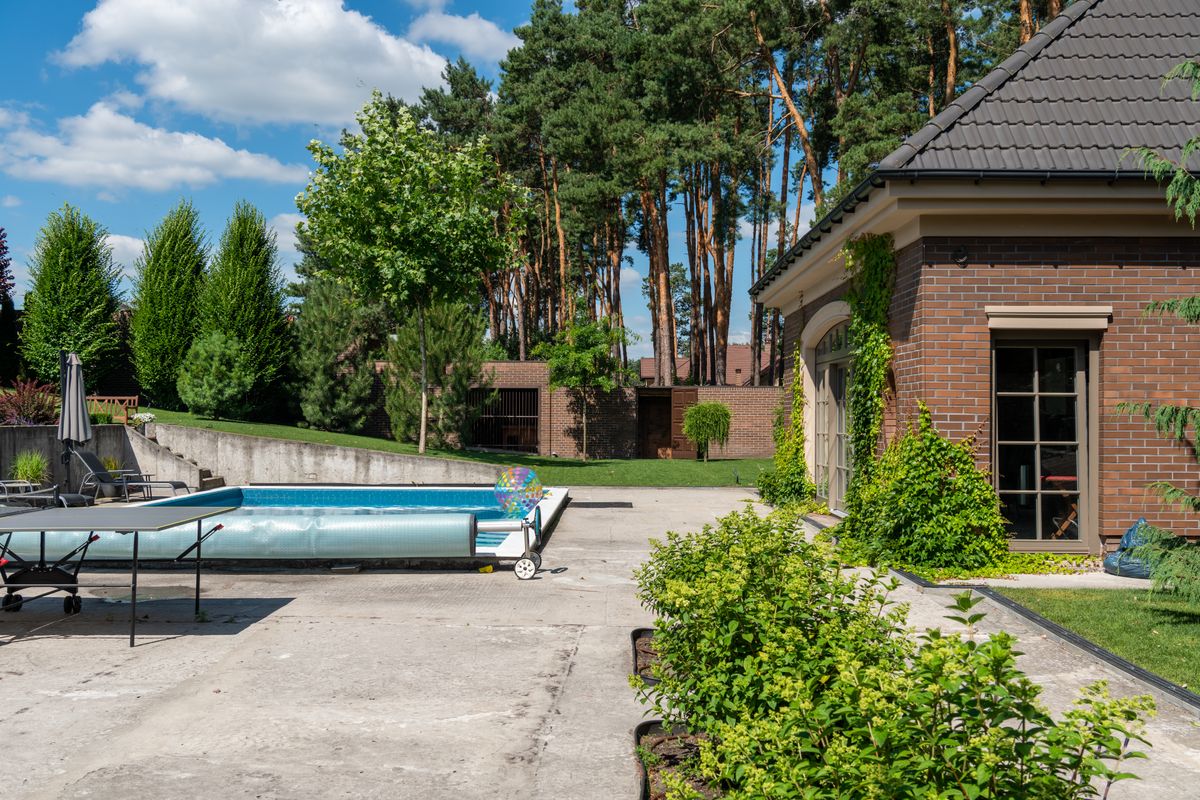
Covered patios and screened porches are a Zachary signature, especially on the larger lots, and they are where the work gets detailed. The ceiling boards, the fascia, the screen framing, and the column bases all carry different films and all take different care. Screen mesh is aluminum and will corrode under the wrong chemistry, and a covered patio that gets cleaned like a deck - high pressure, generic detergent - can leave the screen with pinhole rust spots and the ceiling with etched paint.
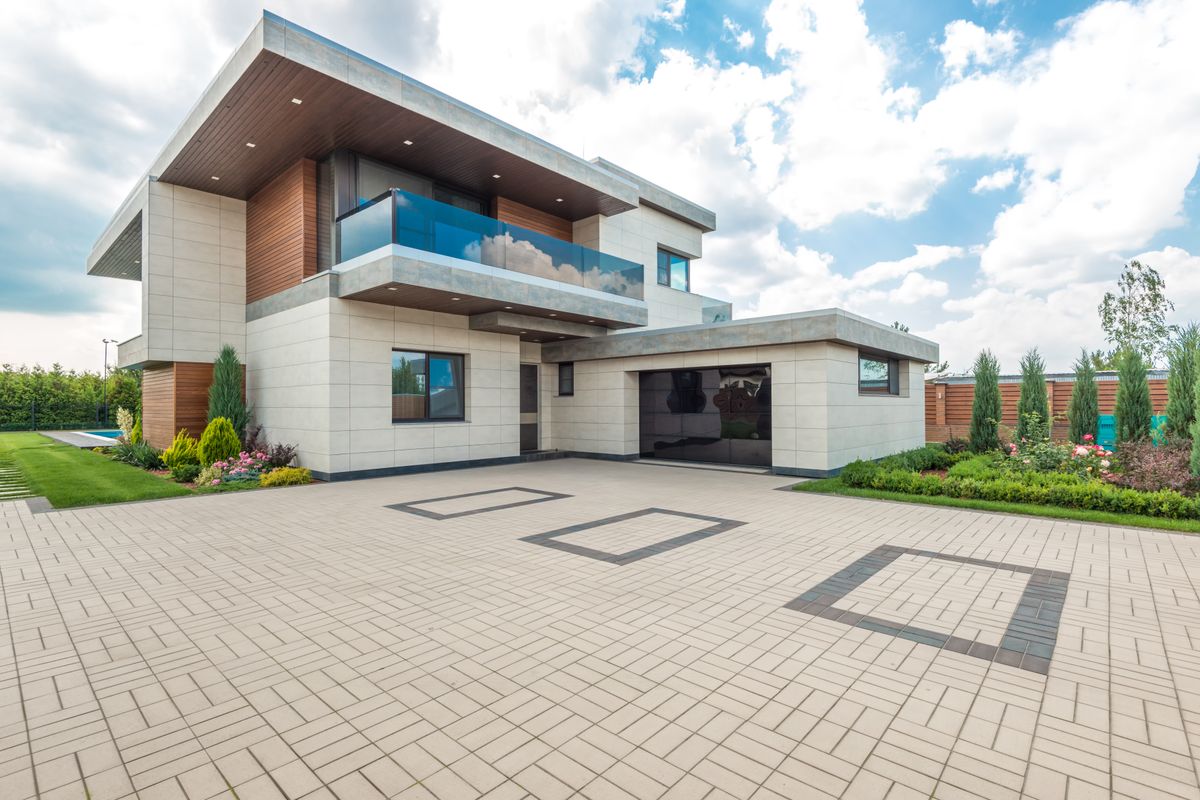
Concrete pavers on patios are common in the newer subdivisions, and they bring the same joint-and-growth problems that a paver driveway does. The growth lives in the joints as much as on the face, and a patio clean that does not get into the joints is a clean that has the mildew back by next month.
Why timing matters more here than the city
The Zachary growing season does not have the sharp winter shutdown that a northern climate gives you, so a deck here grows mildew almost year-round in the shaded spots. But the timing that makes the difference is not the calendar - it is the pollen window and the construction-dust window, and they come from opposite ends of town.
On the older shaded lots near Main Street and the historic district, the oak and pine pollen drop in late March and early April is when a clean matters most. If you wash before the pollen finishes, the deck picks up a new yellow film within a week. If you wash after the pollen is done and the heavy spring storms have passed, the surface stays visibly clean through the summer and into the fall, which is exactly when you want it because that is when the outdoor living kicks in.
On the newer subdivisions and the homes still seeing grading trucks, the question is clay dust, not pollen. A deck on a house built in the last five years will pick up red Louisiana clay from the street and from the lot grading that is still settling, and that clay bakes on in the sun and does not rinse off with plain water. A Zachary deck clean on a newer home needs the dedicated clay-and-silt pre-treatment, and it needs to happen before the clay has time to bind into the surface through a full summer.
What a Zachary deck clean actually covers
A complete Zachary deck or patio clean is not just spraying the surface. It starts with a walk-around that tells you which problem you are looking at, because the rust stain, the growth, the clay film, and the pollen are not all removed the same way. The boards are inspected for loose caulk or lifted composite seams that a wand could force water behind, the fascia and ceiling of any covered section are checked for growth in the eaves, and the drainage below the deck is checked for the wash water path so it does not scorch a bed of new plantings or dump into a neighbor's lot - a real concern on the narrower lots near the parish line.
The method that works here is a low-pressure soft wash: the chemistry applied at garden-hose levels so it can dwell and kill the growth at the root, then a gentle rinse that carries the loosened film away without raising the wood grain or driving water into a seam. High pressure is the mistake we see on Zachary decks - a crew that blasts a composite board to make it look clean in ten minutes is signing you up for a faded, chalked surface that reads as worn by fall. The right clean kills the growth, lifts the biofilm, and leaves the material surface intact.
On a covered patio, the detail work is the ceiling and the columns. The screen is protected, the fascia is hand-scrubbed where the growth is heaviest, and the column bases - where the irrigation overspray and the clay dust collect - get the dedicated rust treatment if the iron is present. A patio clean that skips the ceiling and the details is a clean that looks half-done by the end of the week.
How often a Zachary deck needs attention
There is no hard freeze here to reset the clock, so the interval on a Zachary deck or patio is set by exposure, not by the season. A covered patio tucked under a mature live oak - the kind on the older streets near the square - can start to green along the north rail within twelve months, because that side never fully dries. A deck that sits in full sun most of the day, even in Zachary, can go two years between cleanings if the owner keeps up with a hose rinse after heavy pollen events. The honest way to tell is the north rail and the rail caps - when the growth reads as patches rather than even shading along the shaded side, that is the signal, and it comes sooner on the lake-facing and oak-shaded lots than it does on the open southern edge of town.
We time the Zachary deck clean to the town's two real windows. Late May, once the oak pollen has finished and the first hard storms have moved through, is the moment a surface stays visibly clean the longest. Early October, after the summer humidity has run its course and before the holiday outdoor season kicks in, is the reset that buys a clean deck through the fall. Outside those windows the triggers are a sale listing, a real-estate showing, or a roof or gutter job - it is cheaper to clean the deck before the ladder goes up than to explain why a gutter crew found growth in the eaves while you were negotiating.
Decking, pavers, and what a Zachary home really needs
A Zachary deck or patio rarely exists in isolation. It is usually tied to a driveway that takes the same red clay, a house elevation that shares the same shaded-wall mildew cycle, and sometimes a screened enclosure that needs the same gentle chemistry. Most of the homes we work on run the deck clean together with a house wash and a driveway clean in a single visit, because the surfaces share the same growth driver and the same irrigation stains. If the deck is composite or the patio has pavers, a sealer is the other half of the conversation - a seal and protect pass that sheds the clay film and the pollen film so the surface does not have to be cleaned again in six months.
Frequently asked questions about deck and patio cleaning in Zachary
Is Zachary deck cleaning the same as Baton Rouge deck cleaning?
Not quite. The growth driver is the same - shade and humidity - but Zachary decks carry more iron staining from well irrigation and more clay film from the newer subdivisions, and the home stock is younger on average. A Zachary-specific clean reads the rust and the clay as first-class problems, not as something that a standard house-wash chemistry will lift.
Can you pressure wash a Zachary composite deck?
A composite deck needs low pressure, not high. The growth on a composite surface sits on top, not in the grain, but the finish coat will chalk and fade under a high-pressure wand. A Zachary composite deck gets a dedicated composite-safe detergent at garden-hose pressure, then a gentle rinse - that is what cleans without wearing the surface down.
How often should a covered patio be cleaned in Zachary?
On the shaded, oak-lined lots near the historic district, a covered patio starts to green along the north rail and under the eaves within twelve months. On an open, sun-facing patio it can go two years. The signal is the shaded side - when the mildew reads as patches rather than even shading, it is time, and that window comes sooner under a live oak in Zachary than it does on a city lot.